
Coaching Youth Sports: A Practical Guide for Better Coaches


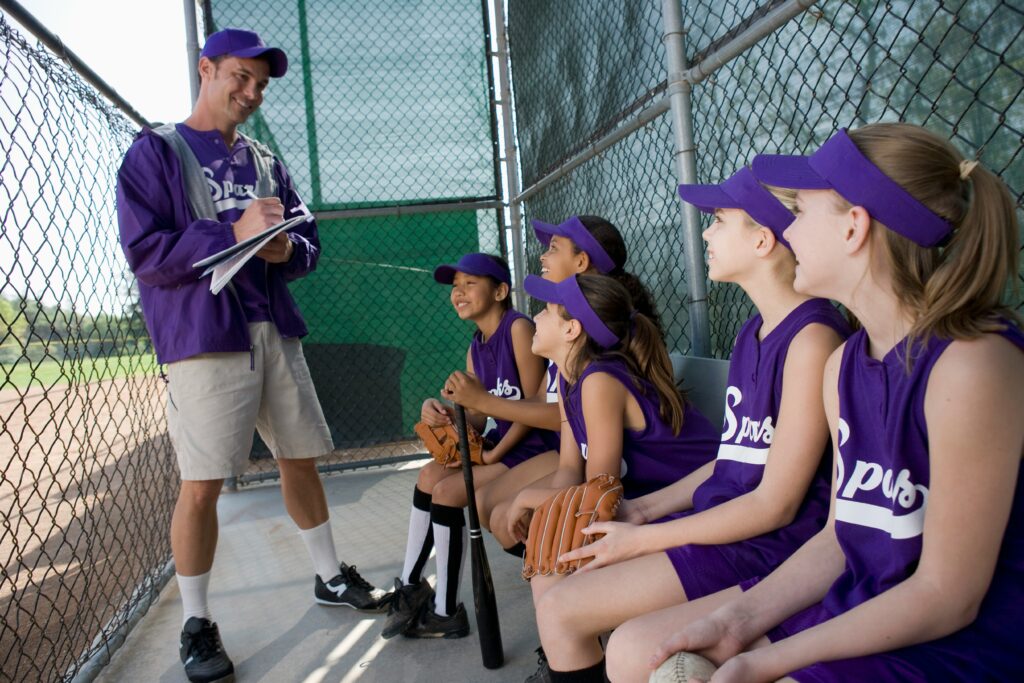
Coaching youth sports involves much more than teaching children how to play a game. A good coach helps young athletes develop confidence, discipline, teamwork, and healthy habits. At the same time, children need an environment where they can learn without fearing mistakes. Coaches have a major influence on that environment. Their words, actions, and expectations can shape how children feel about sports for many years.
However, coaching young athletes requires patience and thoughtful leadership. Children develop at different speeds, and every player brings a different personality to the team. Some athletes learn quickly, while others need more practice and encouragement. Therefore, successful coaches focus on development instead of demanding perfect results. When coaches make learning enjoyable and meaningful, young athletes can improve their skills while developing a lasting love for physical activity.
Understand What Young Athletes Really Need
Young athletes need clear instruction, encouragement, and opportunities to participate. Although winning can make competition exciting, it should not become the only measure of success. Children also need time to develop basic skills and understand how the game works. Therefore, coaches should create an environment where effort and improvement receive as much attention as the final score.
In addition, children need to feel respected. A coach should never embarrass a player for making a mistake. Instead, the coach can explain what went wrong and show the athlete how to improve. This approach helps players stay confident while learning from difficult moments. As a result, athletes become more comfortable trying new skills and taking healthy risks during games and practices.
Build Strong Fundamentals Before Chasing Wins
Basic skills provide the foundation for future athletic development. Young players need to learn proper movement, positioning, coordination, and sport-specific techniques before they can handle advanced strategies. Therefore, coaches should spend enough practice time developing these fundamentals. Repetition also matters, but coaches should keep activities varied enough to maintain attention and interest.
Furthermore, focusing on fundamentals can help every player contribute. A team may include athletes with very different levels of experience. If practices focus only on advanced tactics, beginners can quickly fall behind. Instead, coaches can teach core skills in ways that challenge experienced players while supporting newer athletes. Over time, this balanced approach creates stronger and more confident teams.
Make Every Practice Engaging and Productive
Children learn best when they stay active and involved. Long speeches and extended periods of waiting can quickly reduce their attention. For this reason, coaches should give clear instructions and move into activities as soon as possible. Practices should provide frequent opportunities for players to touch the ball, perform movements, make decisions, or practice the skills required by their sport.
At the same time, fun should remain part of the learning process. Fun does not mean that practices lack structure or purpose. Instead, coaches can create activities that teach important skills while keeping athletes interested. When players enjoy attending practice, they often become more willing to work hard. Consequently, an engaging practice environment can support both skill development and long-term participation.
Communicate in Ways Children Can Understand
Effective communication plays a central role in coaching youth sports. Children may struggle to follow complicated explanations, especially when they are excited or tired. Therefore, coaches should use simple language and explain one idea at a time. Demonstrating a skill can also help young athletes understand what the coach wants them to do.
Moreover, coaches should pay attention to how they deliver feedback. Constant criticism can make children afraid of making mistakes. Positive feedback, however, can show players what they are doing correctly while still identifying areas for improvement. A coach might recognize good effort before explaining a technical adjustment. As a result, athletes can receive useful instruction without losing confidence.
Teach Players How to Handle Mistakes
Mistakes are a natural part of learning any sport. A missed shot, poor pass, dropped ball, or wrong decision can become a useful lesson when a coach responds appropriately. Therefore, coaches should treat mistakes as opportunities for development. They can explain the problem clearly and then give the player another chance to practice the correct action.
Additionally, coaches should model calm behavior when things go wrong. Children notice how adults react during difficult moments. If a coach becomes angry after every mistake, players may begin to fear failure. In contrast, a calm response teaches athletes to recover and focus on the next opportunity. This skill can help children both in sports and in other parts of their lives.
Give Every Player a Chance to Develop
Youth teams often include players with different abilities. Some children may already show advanced skills, while others may be playing the sport for the first time. However, coaches should avoid giving all their attention to the strongest athletes. Every player deserves meaningful opportunities to learn, practice, and contribute to the team.
Furthermore, children can develop quickly when they receive consistent support. A player who struggles early in the season may become much more capable after several months of practice. Therefore, coaches should avoid making permanent judgments about young athletes based on current performance. When coaches provide fair opportunities, they can help more children discover their potential.
Create a Healthy Approach to Competition
Competition can teach children valuable lessons about preparation, effort, and resilience. Winning also provides excitement and gives teams a clear goal. However, problems can develop when adults treat every youth game as if the result defines the entire season. Coaches should encourage players to compete seriously while keeping wins and losses in perspective.
Similarly, athletes need to learn how to behave after both victory and defeat. Coaches can teach players to respect opponents, officials, teammates, and the rules of the game. They should also discourage blaming others after a loss. As a result, children can learn that good sportsmanship matters regardless of the scoreboard. These lessons often remain valuable long after athletes stop playing competitive sports.