
Athletics and Human Performance: Building Strength, Discipline, Life


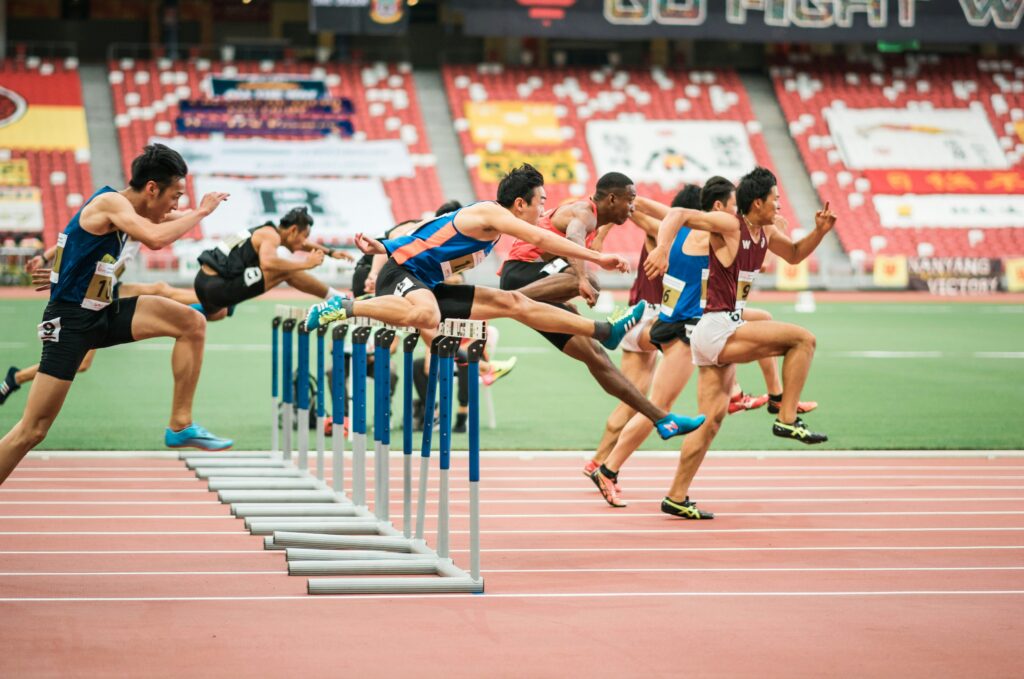
Athletics is more than movement. It is the way people use their bodies with purpose. It includes running, jumping, throwing, and all forms of physical effort that challenge endurance and control. At its core, athletics is about improvement. It pushes a person to move beyond comfort and explore what their body can do with effort and consistency.
In daily life, athletics often starts small. A morning walk, a short run, or playing a sport in a park can all be part of it. These simple actions build habits that shape health over time. People often discover that athletics is not only about competition. It becomes a personal practice that brings structure to the day and clarity to the mind.
Athletics also teaches awareness. When someone runs or trains, they begin to notice breathing, posture, and rhythm. This awareness grows naturally with time. It helps people understand their own limits and slowly expand them. In this way, athletics becomes a quiet teacher that works through experience rather than words.
For many, athletics is also a form of expression. It allows the body to speak through movement. Each step or jump reflects effort and intention. This connection between mind and body builds a deeper sense of control and balance in everyday living.
Physical Growth Through Consistent Movement
The body responds quickly to regular athletic activity. Muscles become stronger. Movement becomes smoother. Stamina improves with time. These changes do not happen overnight. They build gradually through repeated effort and steady practice.
When a person stays active, the body adapts in powerful ways. The heart works more efficiently. Breathing becomes more controlled. Energy levels improve throughout the day. These physical changes support not only sports performance but also daily tasks like walking, lifting, and standing for long periods.
Athletics also helps improve posture and coordination. As people move more often, they learn how to control their body better. Simple actions become easier and more natural. This reduces strain and helps prevent discomfort in everyday activities. Over time, the body feels lighter and more responsive.
Another important aspect of physical growth in athletics is recovery. Rest becomes just as important as movement. When the body gets enough rest, it repairs itself and grows stronger. This balance between activity and recovery helps maintain long-term health and reduces the risk of fatigue.
Building Mental Strength and Focus
Athletics shapes the mind as much as the body. Every effort requires focus. Whether someone is running a short distance or training for longer endurance, attention plays a key role. This focus trains the mind to stay present and steady.
Challenges are part of athletics. There are moments of tiredness, slow progress, and repeated effort. These moments build mental strength. A person learns to continue even when motivation drops. This creates resilience, which carries into other parts of life such as work, study, and personal goals.
Athletics also helps improve emotional control. Physical effort often brings stress to the surface. Through movement, that stress is released in a natural way. Over time, people feel calmer and more balanced. They begin to respond to pressure with more stability and patience.
Another important benefit is confidence. As people see progress in their physical abilities, they begin to trust themselves more. This confidence is not based on comparison but on personal growth. It comes from knowing that effort leads to improvement, even if progress feels slow at times.
Discipline and the Power of Routine
Athletics naturally builds discipline. Regular movement requires commitment. Showing up consistently matters more than intensity. When people follow a routine, even simple training sessions become meaningful over time.
A steady routine also helps organize the day. It creates structure and reduces uncertainty. When the body expects activity at certain times, it becomes easier to stay consistent. This rhythm supports both physical and mental stability.
Discipline in athletics is not about strict rules. It is about choosing to continue even when conditions are not perfect. Weather, mood, or fatigue may change, but the habit of movement remains. This consistency becomes a strong foundation for personal growth.
Over time, discipline built through athletics influences other areas of life. People often find it easier to manage responsibilities, stay focused on tasks, and follow through on goals. The habits formed through movement extend beyond sport and become part of everyday behavior.
Connection, Community, and Shared Effort
Athletics is often a shared experience. People come together to run, train, or play. This shared effort builds connection. It creates a sense of belonging that goes beyond individual performance.
In group settings, people encourage each other naturally. One person’s effort can inspire another. This support builds motivation and helps individuals stay consistent. Even simple training sessions become more meaningful when shared with others.
Community involvement in athletics also creates learning opportunities. People observe different styles, techniques, and approaches. This exchange of experience helps everyone improve at their own pace. It builds respect for effort and persistence.
Beyond physical activity, athletics can strengthen social bonds. Friendships often form through shared goals and repeated practice. These connections add emotional value to the experience and make movement more enjoyable and sustainable.
Lifelong Value of Athletic Practice
Athletics is not limited to a specific age or stage of life. It can continue as long as the body is able to move. Its value grows over time as it becomes part of a lifestyle rather than a temporary activity.
As people age, athletics helps maintain independence and energy. Regular movement supports balance, strength, and flexibility. These benefits make daily life easier and more comfortable. The body remains active, and the mind stays engaged.
Athletics also supports long-term well-being. It encourages healthy habits that reduce stress and improve sleep. These effects contribute to a more stable and positive lifestyle. Small efforts made regularly create lasting impact.
Athletics is a lifelong companion. It grows with the individual and adapts to changing needs. Whether practiced lightly or intensely, it continues to offer physical strength, mental clarity, and emotional balance throughout life.